



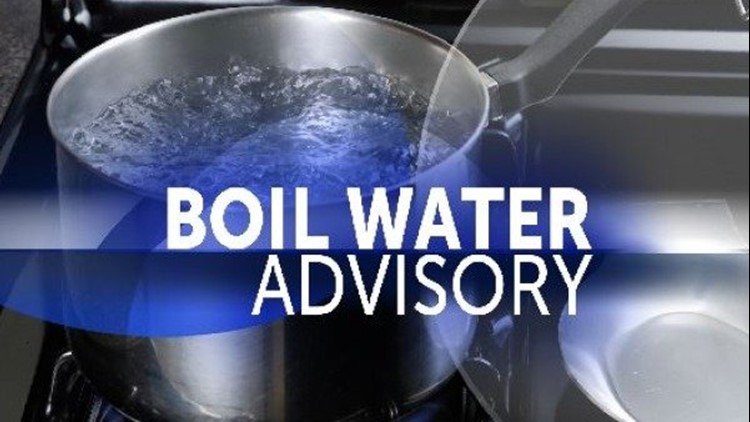
Boil Water Advisory Harrisburg Neighborhoods are more than temporary inconveniences—they are essential public health measures designed to protect residents from potential water contamination. These advisories are issued when the safety of tap water is compromised or uncertain, often due to infrastructure failures, weather-related incidents, or maintenance issues. For residents, understanding why these advisories occur and how to respond is critical for maintaining health and peace of mind.
Harrisburg’s location along the Susquehanna River and its aging water infrastructure make it particularly vulnerable to water-related disruptions. When a boil water advisory is announced, it typically affects specific neighborhoods rather than the entire city, which can create confusion among residents. Clear information and timely action help reduce risks and ensure families continue daily routines safely.
Beyond immediate health concerns, boil water advisories highlight broader challenges related to water system reliability, emergency preparedness, and public communication. This article provides a comprehensive guide to Boil Water Advisory Harrisburg Neighborhoods, explaining causes, safety steps, health risks, and long-term solutions so residents can stay informed and prepared.
What Is a Boil Water Advisory?
A boil water advisory is a public notice issued by water authorities warning residents that tap water may not be safe for consumption unless it is boiled first. The advisory is a precautionary measure taken when contamination is suspected or when water pressure drops below safe levels, potentially allowing harmful microorganisms to enter the system. Boiling water kills bacteria, viruses, and parasites that can cause illness.
It is important to distinguish a boil water advisory from a “do not use” order. While a boil water advisory allows water use after proper boiling, a do-not-use order restricts all uses of tap water, including bathing. In Harrisburg neighborhoods, most alerts are boil water advisories, not full water bans, but residents should always read official notices carefully.
These advisories are common across the United States, particularly in cities with older infrastructure. In Harrisburg, they serve as a protective buffer, ensuring public safety until testing confirms that water quality meets regulatory standards again. Understanding the purpose of these advisories helps residents respond calmly and appropriately rather than reacting with unnecessary panic.
Why Harrisburg Neighborhoods Experience Boil Water Advisories
Harrisburg neighborhoods frequently experience boil water advisories due to a combination of aging infrastructure and environmental factors. Many water mains in the city are decades old, increasing the likelihood of breaks, leaks, and pressure loss. When a water main breaks, pressure can drop suddenly, creating conditions where contaminants may enter the system.
Weather also plays a major role. Heavy rainfall, flooding from the Susquehanna River, and winter freeze-thaw cycles can strain pipes and treatment facilities. During storms or extreme cold, emergency repairs are often necessary, and advisories are issued as a safety precaution until repairs are complete and water quality is verified.
Additionally, routine maintenance or unexpected power outages at treatment plants can disrupt normal water treatment processes. Even short interruptions may trigger advisories if water safety cannot be immediately confirmed. These factors combined make boil water advisories an occasional but expected reality for Harrisburg residents, particularly in older or river-adjacent neighborhoods.
How Local Authorities Detect Water Contamination Risks
Water contamination risks in Harrisburg are detected through a combination of automated systems and manual testing procedures. Water utilities continuously monitor pressure levels throughout the distribution network. When sensors detect a sudden drop in pressure—often caused by a pipe break or equipment failure—alerts are triggered for immediate investigation.
In addition to pressure monitoring, water samples are collected and tested regularly for bacteria such as E. coli and coliforms. During emergency situations, additional samples are taken from affected Harrisburg neighborhoods to assess whether contamination has occurred. Until test results confirm safety, a boil water advisory is issued as a precaution.
Local authorities coordinate closely with state environmental agencies and public health departments. This collaboration ensures that decisions are based on regulatory standards and scientific data. While advisories can be disruptive, they reflect a cautious approach designed to prioritize public health over convenience.
Neighborhoods Commonly Affected in Harrisburg
Certain Harrisburg neighborhoods are more frequently affected by boil water advisories due to their location and infrastructure. Downtown Harrisburg, with its dense population and older buildings, often experiences advisories following water main repairs. The complexity of underground utilities in this area increases the risk of pressure fluctuations.
Midtown and Uptown neighborhoods also see advisories, particularly during winter months when frozen pipes are more common. These areas contain a mix of historic homes and apartment buildings connected to older water lines that may not withstand extreme temperature changes.
South Harrisburg and river-adjacent communities face additional risks from flooding and high river levels. Heavy rainfall can overwhelm drainage systems and increase the chance of contamination. While not every advisory affects all neighborhoods, residents across Harrisburg should remain alert and informed regardless of location.
How Residents Are Notified of a Boil Water Advisory
Boil Water Advisory Harrisburg Neighborhoods Residents in Harrisburg neighborhoods are notified of boil water advisories through multiple communication channels to ensure widespread awareness. Emergency alert systems, including reverse 911 calls and text notifications, are often the first method used. These alerts provide immediate instructions and specify which areas are affected.
Local news outlets, radio stations, and official social media accounts also play a crucial role in spreading information. The Harrisburg Authority and city government regularly update their websites with advisory details, including start times, affected streets, and safety guidelines.
In some cases, especially in high-risk or densely populated areas, door-to-door notifications or posted notices may be used. Despite these efforts, residents are encouraged to proactively sign up for alerts and follow official channels to avoid missing important updates during emergencies.
Immediate Steps Residents Should Take
When a boil water advisory is issued in Harrisburg neighborhoods, residents should take immediate action to protect their health. The most important step is to boil all tap water used for drinking, cooking, brushing teeth, and washing food. Water should be brought to a rolling boil for at least one minute before use.
Bottled water can be used as an alternative if boiling is not practical. Residents should also avoid using ice made from tap water and discard any ice prepared before the advisory. Appliances that dispense water, such as refrigerators, should not be used unless they have been properly flushed.
Special care should be taken for infants, elderly individuals, and those with weakened immune systems. Preparing extra boiled or bottled water in advance helps households maintain routines with minimal disruption while ensuring safety throughout the advisory period.
Safe Water Practices During a Boil Water Advisory
Practicing safe water use during a boil water advisory requires attention to everyday activities. While bathing and showering are generally considered safe, residents should avoid swallowing water and supervise young children closely. Sponge baths may be preferable for infants and toddlers.
For dishwashing, using a dishwasher with a sanitizing cycle is typically safe. If washing dishes by hand, boiled water should be used, or dishes should be sanitized with a bleach solution. Handwashing is still important, but hands should be dried thoroughly, and boiled water should be used when possible.
Laundry can usually continue as normal, as detergents and washing cycles reduce risk. However, residents should avoid using tap water for food preparation unless it has been properly boiled. These precautions help reduce the likelihood of illness while allowing daily life to continue as smoothly as possible.
Health Risks of Ignoring a Boil Water Advisory
Ignoring a boil water advisory in Harrisburg neighborhoods can lead to serious health consequences. Contaminated water may contain bacteria, viruses, and parasites that cause gastrointestinal illnesses. Symptoms often include diarrhea, vomiting, stomach cramps, and fever, which can be severe in vulnerable individuals.
Children, the elderly, pregnant women, and those with compromised immune systems are particularly at risk. Even small amounts of contaminated water can lead to illness, making strict adherence to advisory guidelines essential. In severe cases, untreated waterborne illnesses can result in hospitalization.
Seeking medical attention is important if symptoms appear after consuming unboiled water during an advisory. Prompt treatment reduces complications and helps health authorities identify potential outbreaks. Following advisories carefully is the most effective way to protect personal and community health.
Guidance for Restaurants and Food Service Businesses
Restaurants and food service businesses in Harrisburg neighborhoods face strict requirements during boil water advisories. Compliance is mandatory to protect customers and staff. Businesses must use boiled or bottled water for food preparation, beverage service, and cleaning food-contact surfaces.
Many establishments choose to temporarily close during advisories to ensure compliance and avoid risk. Health inspectors may conduct follow-up inspections to confirm that safety protocols are followed. Failure to comply can result in fines or temporary suspension of operating licenses.
Clear communication with customers is essential. Posting notices and updating online platforms helps manage expectations and maintain trust. While advisories may disrupt operations, adherence to guidelines protects public health and preserves long-term business reputation.
Impact on Schools, Hospitals, and Public Facilities
Public institutions in Harrisburg neighborhoods must implement specialized protocols during boil water advisories. Schools often suspend cafeteria operations or switch to bottled water for drinking and food preparation. In some cases, classes may be canceled if water access cannot be safely maintained.
Hospitals and healthcare facilities have contingency plans that include on-site water treatment systems and emergency supplies. These measures ensure patient care continues without interruption. Staff receive specific instructions to minimize risk, especially in surgical and neonatal units.
Libraries, recreation centers, and other public buildings may limit services or close temporarily. While these disruptions are inconvenient, they reflect a commitment to safety. Coordinated planning allows essential services to continue while minimizing exposure risks.
How Long Boil Water Advisories Typically Last
The duration of Boil Water Advisory Harrisburg Neighborhoods varies depending on the underlying issue. Simple water main repairs may result in advisories lasting 24 to 48 hours. More complex situations involving contamination testing can extend advisories for several days.
Before lifting an advisory, water authorities must collect and analyze multiple samples to confirm that water meets safety standards. This process takes time, as tests must be conducted over consecutive days to ensure consistent results.
Residents are notified promptly once an advisory is lifted. While waiting can be frustrating, the cautious approach ensures that water is truly safe before normal use resumes. Understanding this process helps manage expectations and reduces uncertainty.
What to Do After the Advisory Is Lifted
Once a boil water advisory in Harrisburg neighborhoods is lifted, residents should take steps to safely resume normal water use. Flushing household plumbing by running cold water taps for several minutes helps clear any residual contamination.
Appliances such as coffee makers, ice machines, and water dispensers should be cleaned and flushed according to manufacturer instructions. Ice made during the advisory should be discarded, and water filters should be replaced to ensure optimal performance.
Cleaning kitchen surfaces and rinsing dishes with safe water adds an extra layer of precaution. These steps help ensure that homes return to normal safely and reduce lingering concerns about water quality.
The Role of Infrastructure Upgrades in Prevention
Infrastructure upgrades play a critical role in reducing Boil Water Advisory Harrisburg Neighborhoods. Replacing aging water mains, improving treatment facilities, and modernizing monitoring systems all contribute to greater reliability and safety.
Federal and state funding programs support many of these projects, though progress can be slow due to cost and logistical challenges. Long-term planning focuses on high-risk areas where advisories occur most frequently.
Community engagement is also important. Public feedback helps prioritize projects and build trust between residents and water authorities. While upgrades cannot eliminate advisories entirely, they significantly reduce their frequency and severity.
Environmental and Seasonal Factors Affecting Water Safety
Seasonal changes strongly influence water safety in Harrisburg neighborhoods. Winter freezes can cause pipes to crack or burst, leading to pressure loss and emergency repairs. These incidents are among the most common triggers for boil water advisories.
Heavy rainfall and flooding increase the risk of contamination, especially in areas near the Susquehanna River. Runoff can overwhelm treatment systems and introduce pollutants into the water supply.
Climate change may intensify these challenges by increasing the frequency of extreme weather events. Understanding these factors helps residents appreciate why advisories occur and underscores the importance of preparedness year-round.
How Residents Can Prepare for Future Advisories
Preparation is key to minimizing disruption during Boil Water Advisory Harrisburg Neighborhoods. Storing bottled water or maintaining an emergency supply of boiled water ensures households can respond quickly.
Signing up for official alerts and staying informed through reliable sources reduces confusion and delays. Families should discuss water safety practices so everyone knows what to do when an advisory is issued.
Simple preparations, such as keeping clean containers and understanding boiling procedures, make advisories less stressful. Prepared residents contribute to a safer and more resilient community overall.
Misinformation and Common Myths About Boil Water Advisories
Misinformation often spreads quickly during boil water advisories, leading to confusion. One common myth is that clear water is safe to drink. In reality, contamination is often invisible, making boiling essential regardless of appearance.
Another misconception is that household water filters provide adequate protection. Most standard filters do not remove bacteria or viruses, making boiling or bottled water necessary.
Relying on official guidance rather than social media rumors helps residents make informed decisions. Accurate information is a powerful tool in protecting health during advisories.
Community Response and Support Systems
Community cooperation is vital during Boil Water Advisory Harrisburg Neighborhoods. Neighbors often share resources, such as bottled water, with those who may have difficulty accessing supplies.
Nonprofit organizations and local groups may provide assistance to vulnerable populations, including seniors and low-income families. These efforts strengthen community resilience and ensure no one is left without safe water.
Volunteer initiatives and clear communication foster trust and collective responsibility. Strong community response turns challenging situations into opportunities for solidarity.
Legal and Regulatory Framework Governing Water Safety
Water safety in Harrisburg is governed by state and federal regulations designed to protect public health. The Safe Drinking Water Act establishes standards that water systems must meet, including procedures for issuing advisories.
Local water authorities are legally required to notify residents promptly when risks arise. Transparency and accountability are essential components of this framework.
Residents have the right to access information and report concerns. Understanding these regulations empowers communities to advocate for safe and reliable water services.
Economic and Daily Life Impacts on Harrisburg Residents
Boil water advisories can have significant economic impacts on Harrisburg neighborhoods. Households may incur additional costs for bottled water and supplies, while businesses may experience reduced revenue.
Daily routines are disrupted, particularly for families with young children or medical needs. Renters and homeowners alike must adapt quickly, highlighting the importance of preparedness.
Despite these challenges, advisories also raise awareness about infrastructure needs and community resilience. Addressing underlying issues can lead to long-term improvements that benefit everyone.
Conclusion
Boil Water Advisory Harrisburg Neighborhoods are critical safety measures that protect public health. While inconvenient, they reflect a proactive approach to managing potential risks in the water supply.
Staying informed, following guidelines, and preparing in advance help residents navigate advisories with confidence. Community cooperation and trust in public systems play an essential role in minimizing impact.
By understanding causes, responses, and prevention strategies, Harrisburg residents can remain resilient and safe, even when water disruptions occur.
Frequently Asked Questions (FAQs)
How long should I boil water to make it safe?
Boil water for at least one minute at a rolling boil before use.
Can I shower during a boil water advisory?
Yes, but avoid swallowing water and supervise children closely.
Is boiled water safe for pets?
Yes, pets should also drink boiled or bottled water.
Do water filters make tap water safe during an advisory?
Most standard filters do not; boiling is still required.
How will I know when the advisory is lifted?
Official alerts from local authorities will announce when it is safe.
What should I do if I consumed unboiled water?
Monitor for symptoms and contact a healthcare provider if needed.
Are some Harrisburg neighborhoods more affected than others?
Yes, older and river-adjacent areas experience advisories more often.
How often do boil water advisories occur in Harrisburg?
Frequency varies but is influenced by infrastructure and weather conditions.
Read More: ZeromagTech New Console Release Date by Zero1Magazine