




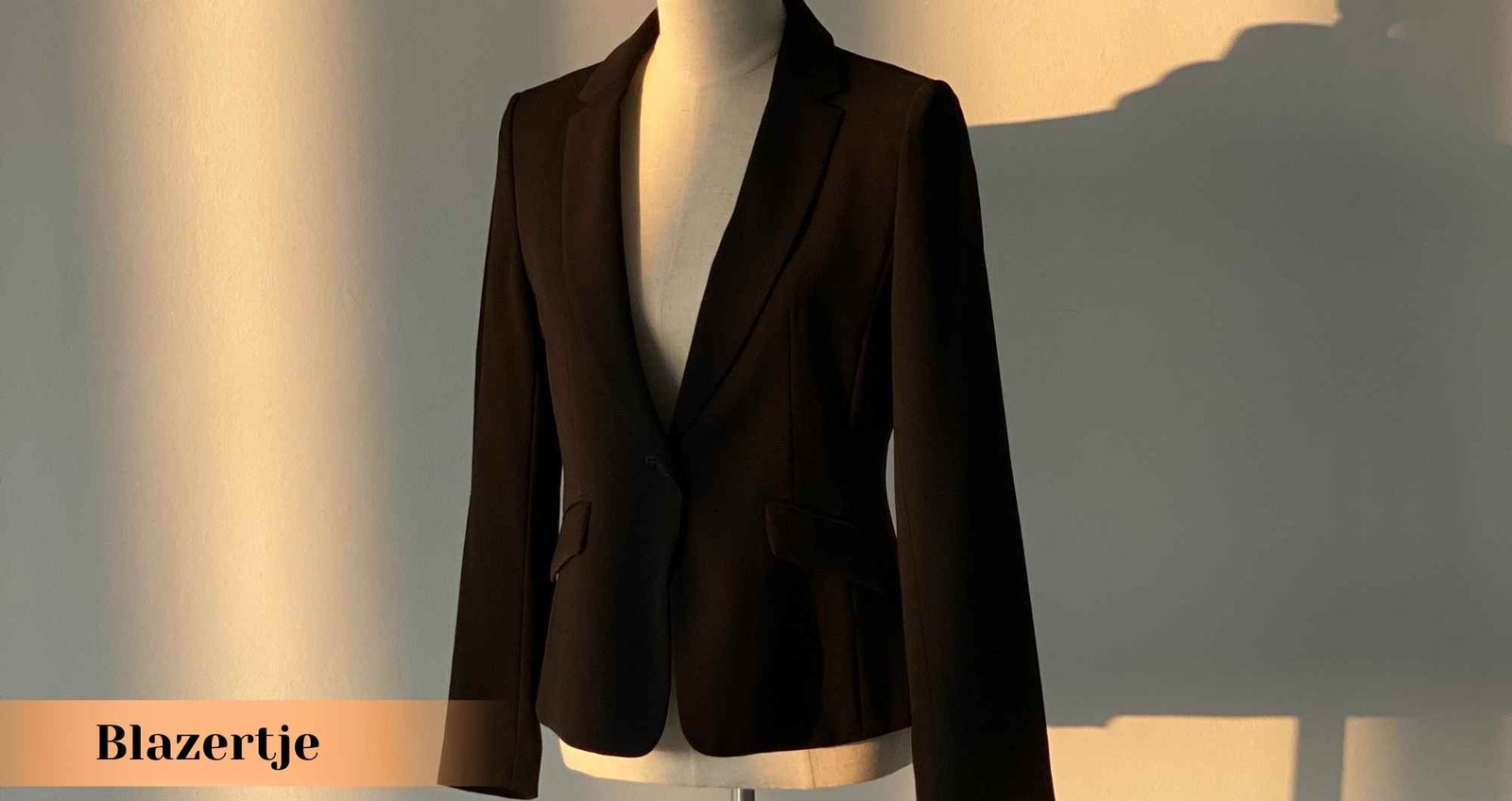
Blazertje The fashion world is constantly evolving, giving rise to new terms that capture subtle but meaningful shifts in style. One such term is “blazertje,” a modern reinterpretation of the classic blazer that blends structure with contemporary aesthetics. While traditional blazers are known for their formal appeal, blazertjes introduce a fresh, versatile approach that resonates with modern lifestyles. They are shorter, more playful, and often more expressive, making them a favorite among fashion-forward individuals seeking balance between polish and personality.
The blazertje trend has gained momentum thanks to changing work cultures, social media influence, and the growing desire for adaptable wardrobe staples. As dress codes become more relaxed, people are leaning toward pieces that can transition seamlessly from professional to casual settings. The blazertje fits perfectly into this narrative, offering tailored elegance without the rigidity of classic suiting. It reflects a broader movement toward individuality in fashion, where structure no longer means restriction.
Beyond aesthetics, the blazertje represents a cultural shift. It speaks to empowerment, self-expression, and flexibility, especially among younger generations. Whether styled for work, social outings, or creative environments, the blazertje stands as a symbol of modern fashion’s ability to evolve while respecting timeless tailoring principles.
The Evolution of the Blazer Into the Blazertje
The traditional blazer has long been a cornerstone of formal and semi-formal attire, rooted in military uniforms and elite sporting clubs. Over decades, it became synonymous with professionalism and authority. However, as societal norms evolved, so did the blazer. Designers began experimenting with cuts, fabrics, and proportions, gradually moving away from rigid silhouettes toward more expressive designs. This evolution laid the groundwork for the blazertje.
The blazertje emerged as a response to the demand for garments that feel less formal yet still refined. Shorter lengths, lighter fabrics, and playful tailoring became defining features. Fashion houses and independent designers alike embraced these changes, recognizing that modern consumers value comfort and adaptability as much as style. The blazertje thus became a bridge between classic tailoring and contemporary fashion sensibilities.
Cultural influences also played a major role in this transformation. The rise of street style, influencer culture, and global fashion exchanges accelerated experimentation. Blazertjes began appearing on runways, social media feeds, and city streets, styled in ways that challenged conventional norms. This evolution reflects fashion’s ongoing dialogue between tradition and innovation, with the blazertje standing as a clear example of how classic garments can be reimagined for modern life.
Defining Characteristics of a Blazertje
A blazertje is defined primarily by its proportions and fit. Unlike traditional blazers that typically extend below the hips, blazertjes are shorter, often cropped or waist-length. This abbreviated silhouette creates a youthful, dynamic look while still retaining the structured elements associated with blazers. The result is a garment that feels tailored yet approachable, formal yet relaxed.
Materials also distinguish blazertjes from their traditional counterparts. While wool and tweed remain popular, blazertjes frequently incorporate lighter fabrics such as linen blends, cotton, and sustainable synthetics. These materials enhance comfort and versatility, making blazertjes suitable for a wider range of seasons and occasions. Designers often experiment with textures, adding visual interest without compromising functionality.
Color and pattern play a crucial role in defining blazertjes. Neutral tones like black, beige, and gray offer timeless appeal, while bold colors, plaids, and prints cater to more adventurous tastes. Details such as oversized buttons, cropped sleeves, and unique lapels further set blazertjes apart. Together, these characteristics make the blazertje a distinctive and adaptable fashion piece.
Blazertje vs. Traditional Blazer
While blazertjes and traditional blazers share a common heritage, their differences are significant. Traditional blazers prioritize formality, structure, and longevity, often designed for office wear or formal events. They feature longer cuts, heavier fabrics, and classic tailoring techniques. Blazertjes, on the other hand, emphasize versatility and modern appeal, catering to a broader range of styling possibilities.
One key difference lies in how each garment is worn. Traditional blazers are often paired with matching trousers or formal skirts, creating a cohesive suit look. Blazertjes are more flexible, easily styled with jeans, dresses, or even shorts. This adaptability makes blazertjes particularly appealing to those who prefer a mix-and-match approach to fashion rather than rigid ensembles.
The choice between a blazertje and a traditional blazer ultimately depends on lifestyle and personal style. While traditional blazers remain indispensable for formal settings, blazertjes offer a contemporary alternative that suits modern, multifaceted lives. Understanding these differences helps consumers make informed wardrobe choices that align with their needs and aesthetic preferences.
Popular Types of Blazertjes
Blazertjes come in a variety of styles, each catering to different fashion tastes and occasions. Cropped blazertjes are among the most popular, offering a bold, fashion-forward look that pairs well with high-waisted bottoms. These designs highlight the waist and create a flattering silhouette, making them a favorite in contemporary women’s fashion.
Another popular type is the oversized blazertje with a short length. This style combines relaxed tailoring with modern proportions, resulting in a look that feels effortless yet intentional. Structured blazertjes, featuring sharp shoulders and defined seams, appeal to those who prefer a polished aesthetic, while relaxed blazertjes offer softer lines and greater comfort.
Design variations such as buttoned, open-front, and belted blazertjes further expand styling possibilities. Each type serves a unique purpose, allowing wearers to express individuality while maintaining a cohesive wardrobe. This diversity is a key reason why blazertjes have become such a versatile and enduring trend.
Blazertje in Women’s Fashion
Blazertjes have become especially prominent in women’s fashion, offering a fresh take on power dressing. They challenge traditional notions of professional attire by combining authority with femininity. Women often style blazertjes with tailored trousers, skirts, or dresses, creating looks that feel confident without being overly formal.
In casual settings, blazertjes add polish to everyday outfits. Pairing a blazertje with jeans and a simple top instantly elevates the look, making it suitable for social gatherings or creative workplaces. This adaptability has made blazertjes a staple in women’s wardrobes, bridging the gap between casual and professional fashion.
The popularity of blazertjes among women also reflects broader cultural shifts toward self-expression and empowerment. Designers increasingly create blazertjes that celebrate diverse body types and personal styles. As a result, the blazertje has become more than just a garment—it is a symbol of modern femininity and fashion freedom.
Blazertje in Men’s and Unisex Fashion
While blazertjes are often associated with women’s fashion, they are gaining traction in men’s and unisex collections. Designers are reimagining traditional menswear silhouettes, introducing shorter blazers that offer a contemporary edge. These blazertjes maintain masculine tailoring elements while embracing modern proportions.
Unisex blazertjes further blur the lines between gendered fashion. By focusing on fit, fabric, and design rather than traditional gender norms, these pieces appeal to a wide audience. They are often styled in streetwear-inspired outfits, paired with sneakers, relaxed trousers, or layered over hoodies.
This expansion into men’s and unisex fashion highlights the blazertje’s versatility. It demonstrates how modern fashion prioritizes inclusivity and adaptability. As more designers embrace gender-neutral design, the blazertje is poised to become a key piece in diverse wardrobes worldwide.
How to Style a Blazertje for Everyday Wear
Styling a blazertje for everyday wear is all about balance. Pairing it with casual staples such as jeans or chinos creates a relaxed yet refined look. A simple T-shirt or knit top underneath keeps the outfit approachable, while the blazertje adds structure and polish.
Blazertjes also work beautifully with dresses and skirts. Layering a blazertje over a flowy dress creates contrast between softness and structure, resulting in a visually interesting outfit. Footwear choices, such as loafers, ankle boots, or sneakers, further influence the overall vibe.
Accessories play a subtle but important role in everyday blazertje styling. Minimal jewelry, belts, or bags can enhance the look without overwhelming it. By experimenting with combinations, wearers can create versatile outfits that suit a variety of daily activities.
Conclusion
The blazertje represents a harmonious blend of tradition and innovation. Its evolution from classic tailoring to modern versatility highlights fashion’s adaptive nature. As lifestyles change, garments like the blazertje offer practical yet stylish solutions. By embracing inclusivity, sustainability, and creativity, the blazertje secures its place in contemporary fashion. It empowers individuals to express themselves while maintaining polish and confidence. Ultimately, the blazertje is more than a trend—it is a reflection of modern fashion’s dynamic spirit.
Read More: Deborah Dubois