





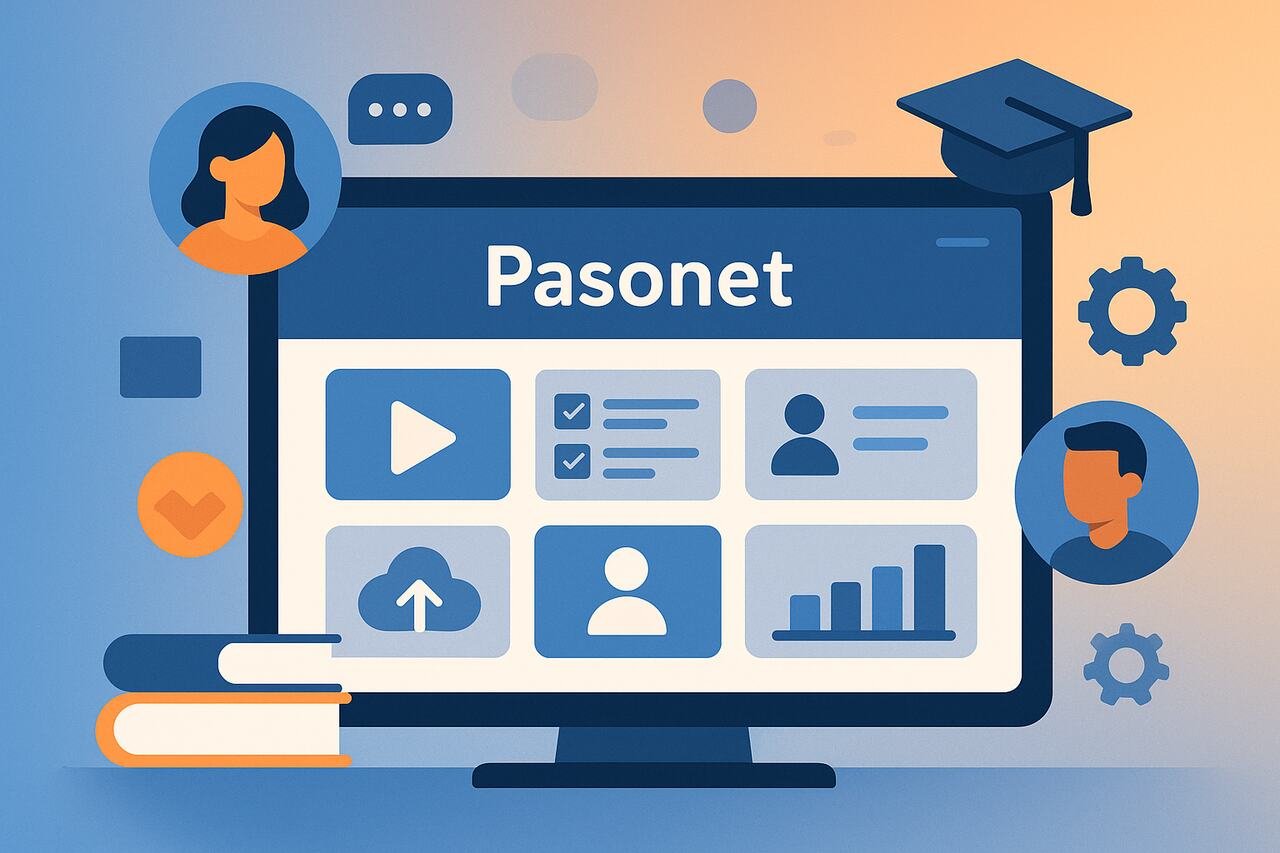
Pasonet is a term that has increasingly appeared across digital spaces, sparking curiosity among users, researchers, and businesses alike. While it may not yet be a household name, its growing visibility suggests relevance in modern online ecosystems. Pasonet often functions as a flexible identifier—sometimes associated with digital platforms, sometimes interpreted as a conceptual or branded entity. This ambiguity is precisely what makes it compelling, as it allows the term to evolve with usage and context.
In today’s interconnected world, new digital terms emerge rapidly, often shaped by technology trends, user behavior, and online communities. Pasonet fits into this pattern as a term that appears to bridge networking, online services, and digital identity. Whether encountered as a platform name, service reference, or abstract concept, it invites deeper examination to understand its potential value and application.
This article explores Pasonet in a comprehensive and structured way. Rather than making assumptions, it examines the possible meanings, uses, benefits, and future trajectory of Pasonet. By the end, readers will have a well-rounded understanding of what Pasonet represents, why it matters, and how it could fit into personal or professional digital strategies.
Understanding the Origin of Pasonet
The origin of the term Pasonet is not definitively tied to a single historical event or creator, which adds to its mystique. Linguistically, the word appears to be a compound or stylized construction, potentially blending ideas such as “personal,” “pass,” or “path” with “net,” a common shorthand for network or internet-based systems. This structure suggests a connection to connectivity, access, or digital interaction.
In many cases, modern digital terms are intentionally designed to be broad and adaptable. Pasonet seems to follow this pattern, allowing it to function across multiple domains without being restricted to one narrow definition. This kind of naming strategy is common in technology and branding, where flexibility supports long-term scalability and reinterpretation as products or services evolve.
Early usage of Pasonet appears primarily in online references, niche discussions, and exploratory content rather than mainstream documentation. This indicates that the term may still be in its formative stage. As adoption grows, its origin story may become clearer, shaped by the communities and industries that choose to embrace and define it more concretely.
Pasonet as a Digital Term or Platform
Pasonet is most often interpreted as a digital-oriented term, potentially representing a platform, service, or network-based concept. In online environments, such terms frequently serve as umbrellas under which multiple functionalities can exist. Rather than being confined to one specific tool, Pasonet can be understood as a framework or identity within the digital ecosystem.
As a platform concept, Pasonet may imply connectivity, streamlined interaction, or centralized access to resources. Many modern platforms prioritize ease of use, interoperability, and user-centric design, and Pasonet aligns well with these values. Its name alone suggests an association with networks, which are foundational to digital communication and data exchange.
Even when not tied to a single official platform, Pasonet can function as a digital reference point. Writers, developers, or entrepreneurs may use it to describe emerging services, experimental networks, or conceptual models. This versatility allows Pasonet to adapt to different technological narratives while remaining relevant in discussions about modern digital infrastructure.
Core Features Commonly Linked to Pasonet
Although Pasonet does not have a universally fixed feature set, several characteristics are commonly associated with it. One of the most notable is connectivity. Whether literal or conceptual, Pasonet is often linked to the idea of linking users, systems, or data in a cohesive and efficient manner. This aligns with broader trends in cloud computing and network-based services.
Another frequently mentioned feature is flexibility. Pasonet is often portrayed as adaptable, capable of fitting into various use cases without extensive customization. This makes it appealing to both individuals and organizations looking for scalable solutions that can grow alongside their needs. Flexibility also implies that Pasonet can evolve over time without losing its core identity.
User-centric design is another implied feature. In digital discussions, Pasonet is often associated with intuitive interaction, simplified processes, and reduced friction. These qualities are increasingly important in competitive digital environments, where user experience can determine adoption and long-term success.
How Pasonet Works (Conceptual Overview)
Conceptually, Pasonet operates as a structured network or system that facilitates interaction between users and digital resources. At its core, it can be imagined as a layer that organizes access, communication, or data flow in a logical and efficient way. This conceptual model allows it to be applied across various technological contexts.
From a user perspective, Pasonet would likely involve straightforward onboarding and interaction. Users engage with the system through clear interfaces or access points, minimizing complexity. This aligns with modern design philosophies that emphasize simplicity without sacrificing functionality.
On the backend, Pasonet may rely on modular architecture. Such a structure allows components to function independently while still contributing to the overall system. This not only enhances performance but also supports scalability, making it easier to add features or expand capacity as demand grows.
Use Cases and Practical Applications of Pasonet
Pasonet’s versatility makes it suitable for a wide range of use cases. On an individual level, it could support personal networking, content management, or digital identity organization. Users increasingly seek tools that help them manage multiple online interactions efficiently, and Pasonet aligns well with this need.
In business contexts, Pasonet could serve as an integration layer or collaboration framework. Companies often struggle with fragmented tools and disconnected workflows. A Pasonet-style solution could centralize processes, improve communication, and enhance productivity across teams.
Industry-specific applications are also possible. In education, Pasonet might support learning networks or resource sharing. In technology sectors, it could facilitate development collaboration or system interoperability. These diverse applications highlight Pasonet’s potential as a foundational digital concept rather than a single-purpose tool.
Pasonet in Technology and Digital Ecosystems
Within broader digital ecosystems, Pasonet can be viewed as a connective element. Modern technology relies heavily on interconnected systems, from APIs to cloud services. Pasonet fits naturally into this environment by emphasizing integration and seamless interaction.
Its role in networking may involve simplifying how systems communicate with one another. Instead of managing multiple connections independently, Pasonet could provide a unified approach. This reduces complexity and enhances reliability, both critical factors in digital infrastructure.
Additionally, Pasonet’s adaptability allows it to integrate with existing tools rather than replace them. This makes it more appealing in real-world scenarios, where organizations prefer incremental improvements over disruptive overhauls. By complementing existing systems, Pasonet strengthens the overall digital ecosystem.
Benefits of Using or Adopting Pasonet
One of the primary benefits associated with Pasonet is efficiency. By streamlining connections and interactions, it reduces redundancy and minimizes wasted effort. This can translate into faster workflows and improved outcomes for both individuals and organizations.
Accessibility is another key advantage. Pasonet’s conceptual simplicity makes it approachable for users with varying levels of technical expertise. This inclusivity broadens its potential user base and supports wider adoption, which is essential for any network-oriented concept.
Long-term value is also a significant benefit. Because Pasonet is adaptable, it can evolve alongside technological advancements. Rather than becoming obsolete, it can incorporate new features and respond to emerging needs, ensuring continued relevance in a rapidly changing digital landscape.
Limitations and Challenges Associated With Pasonet
Despite its strengths, Pasonet is not without challenges. One limitation is ambiguity. While flexibility is an advantage, a lack of clear definition can create confusion among potential users. Without concrete examples or standardized implementations, adoption may be slower.
Technical challenges may also arise, particularly if Pasonet is implemented across complex systems. Integration requires careful planning, and insufficient resources can lead to performance issues. These challenges highlight the importance of strategic implementation rather than ad-hoc adoption.
Market awareness is another obstacle. As a relatively unfamiliar term, Pasonet may struggle to gain recognition in crowded digital markets. Overcoming this requires clear communication, education, and demonstrable value to differentiate it from established alternatives.
Pasonet Compared to Similar Concepts or Platforms
When compared to similar digital concepts, Pasonet stands out for its adaptability. Many platforms are designed for specific purposes, whereas Pasonet’s broad scope allows it to serve multiple roles. This makes it more versatile but also harder to categorize.
Feature-by-feature comparisons often reveal that Pasonet prioritizes integration over specialization. While specialized tools may outperform it in niche tasks, Pasonet excels in providing a cohesive experience across functions. This trade-off is common in platform design.
Pasonet is particularly effective in scenarios that require coordination and scalability. Where other solutions may require multiple tools, Pasonet offers a unified approach, reducing complexity and enhancing overall efficiency.
Security and Privacy Considerations
Security is a critical consideration for any digital system, and Pasonet is no exception. Users expect robust data protection measures that safeguard sensitive information. Conceptually, Pasonet should incorporate encryption, access controls, and monitoring mechanisms.
Privacy is equally important. As digital interactions increase, concerns about data misuse grow. Pasonet’s design must prioritize user consent and transparency, ensuring that individuals understand how their data is used and stored.
Trust plays a central role in adoption. A system perceived as secure and privacy-conscious is more likely to gain user confidence. By emphasizing these principles, Pasonet can establish itself as a reliable and responsible digital solution.
Pasonet and User Experience (UX)
User experience is a defining factor in Pasonet’s potential success. An intuitive interface encourages exploration and reduces barriers to entry. Users should feel comfortable navigating the system without extensive training or technical knowledge.
Ease of use is particularly important for first-time users. Clear onboarding processes, helpful guidance, and logical design choices can significantly improve initial impressions. Pasonet’s conceptual simplicity lends itself well to such UX principles.
Customization options further enhance user experience. Allowing users to tailor the system to their preferences increases satisfaction and engagement. This balance between simplicity and control is a hallmark of effective digital design.
Implementation Strategies for Pasonet
Successful implementation of Pasonet begins with clear objectives. Users and organizations must identify their goals and determine how Pasonet aligns with them. This strategic approach prevents wasted effort and ensures meaningful outcomes.
Best practices include gradual integration and continuous evaluation. Rather than attempting full-scale deployment immediately, incremental adoption allows for adjustments and optimization. This reduces risk and supports sustainable growth.
Avoiding common mistakes is equally important. Overcomplicating the system or neglecting user feedback can undermine success. By focusing on core functionality and listening to users, Pasonet implementations can achieve greater effectiveness.
Pasonet in a Business or Enterprise Context
In enterprise environments, Pasonet offers strategic advantages. Its integrative nature supports collaboration across departments, breaking down silos and improving communication. This can lead to increased productivity and innovation.
Cost considerations are also relevant. While initial investment may be required, long-term efficiency gains can offset expenses. By reducing redundancy and streamlining processes, Pasonet contributes to a positive return on investment.
From a workflow perspective, Pasonet can simplify complex operations. Centralized systems reduce confusion and enable teams to focus on core tasks rather than administrative overhead.
Community and Ecosystem Around Pasonet
A strong community enhances the value of any digital concept. Pasonet’s ecosystem may include users, developers, and contributors who share insights and best practices. This collaborative environment supports continuous improvement.
User communities often serve as informal support networks. Through forums or discussions, users can exchange ideas and solve problems collectively. This peer-driven support complements official resources.
Developer involvement further strengthens the ecosystem. Contributions such as plugins, integrations, or extensions expand Pasonet’s capabilities and foster innovation. A vibrant ecosystem is a key indicator of long-term viability.
Trends and Innovations Related to Pasonet
Emerging trends in technology influence Pasonet’s evolution. Advances in cloud computing, AI, and decentralized systems create new opportunities for integration and enhancement. Pasonet’s flexibility positions it well to adapt to these changes.
Innovation often arises from user needs. As digital behaviors evolve, Pasonet can incorporate new features that address emerging challenges. This responsiveness is essential for maintaining relevance.
Market indicators suggest growing interest in adaptable, network-oriented solutions. Pasonet aligns with this trend, offering a conceptual model that supports future innovation and expansion.
Future Outlook of Pasonet
Looking ahead, Pasonet’s future appears promising. Its adaptable nature allows it to evolve alongside technological advancements, ensuring continued relevance. As digital ecosystems become more complex, integrative solutions like Pasonet will be increasingly valuable.
Potential developments may include enhanced automation, deeper integrations, and improved analytics. These features could further strengthen Pasonet’s appeal across industries.
Long-term relevance depends on community engagement and practical application. If users continue to explore and define Pasonet’s capabilities, it can establish itself as a meaningful digital concept.
Common Misconceptions About Pasonet
One common misconception is that Pasonet is a single, fixed product. In reality, it is better understood as a flexible concept or framework that can take many forms. This misunderstanding can limit appreciation of its potential.
Another myth is that Pasonet requires advanced technical expertise. While it can support complex systems, its design emphasizes accessibility. Users with varying skill levels can engage with it effectively.
Clarifying what Pasonet is not is equally important. It is not a replacement for all digital tools but rather a complementary approach that enhances connectivity and organization.
How to Evaluate Whether Pasonet Is Right for You
Evaluating Pasonet begins with self-assessment. Users should consider their needs, challenges, and goals. Understanding these factors helps determine whether Pasonet offers relevant solutions.
Key questions include scalability requirements, integration needs, and user capacity. Pasonet is most effective when aligned with clear objectives rather than vague expectations.
A decision-making checklist can support evaluation. By systematically assessing fit and feasibility, users can make informed choices about adopting or exploring Pasonet further.
Expert Opinions and Industry Perspectives
Industry perspectives often highlight the value of adaptable digital frameworks. Experts emphasize the importance of systems that evolve with user needs, a principle embodied by Pasonet.
Real-world insights suggest that flexibility and integration are critical success factors. Pasonet’s conceptual design aligns with these priorities, making it relevant in diverse contexts.
Lessons from early adopters underscore the importance of strategic implementation. Thoughtful planning and user engagement maximize the benefits of Pasonet-style solutions.
Conclusion
Pasonet represents a compelling digital concept characterized by flexibility, connectivity, and adaptability. While its definition may vary, its underlying principles align with modern technological trends and user expectations.
By examining its features, applications, and challenges, this article has highlighted Pasonet’s potential value. Whether as a platform, framework, or evolving idea, it offers meaningful possibilities.
Ultimately, Pasonet’s significance lies in its ability to adapt and grow. As digital landscapes continue to evolve, concepts like Pasonet will play an important role in shaping connected, efficient, and user-centered systems.
Frequently Asked Questions (FAQs)
What exactly does Pasonet mean?
Pasonet is a flexible digital term often associated with networking, connectivity, or platform-based concepts.
Is Pasonet a product, service, or concept?
It is best understood as a concept or framework that can be applied in various digital contexts.
Who can benefit most from Pasonet?
Individuals, businesses, and organizations seeking integrated and adaptable digital solutions.
Is Pasonet suitable for businesses?
Yes, especially for organizations focused on collaboration, scalability, and efficiency.
How is Pasonet different from similar solutions?
Its adaptability and integrative focus distinguish it from more specialized tools.
Are there risks associated with Pasonet?
Potential risks include ambiguity and implementation challenges, which can be mitigated through planning.
What is the future of Pasonet?
Pasonet is likely to evolve alongside digital trends, maintaining relevance through adaptability.
Read More: Rowdy Oxford Integris