





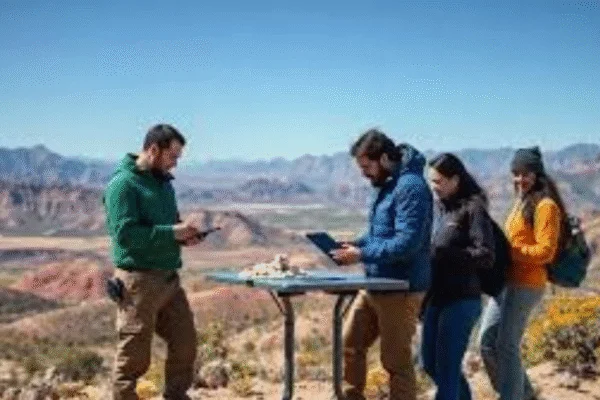
GreatBasinExp57 is a term that has increasingly sparked curiosity across research circles, online forums, and exploratory communities. At first glance, it appears cryptic—part code, part project name—but beneath the surface lies a concept that blends geography, experimentation, and modern discovery. Whether interpreted as a scientific initiative, an exploratory expedition, or a symbolic framework, GreatBasinExp57 represents the growing human drive to understand complex environments through structured inquiry. Its ambiguity is part of its appeal, inviting discussion, interpretation, and investigation from diverse audiences.
In an era defined by data-driven exploration and interdisciplinary collaboration, GreatBasinExp57 fits neatly into contemporary research narratives. It reflects how modern projects often transcend single disciplines, combining environmental science, technology, logistics, and human ingenuity. The term itself acts as a container for ideas—some concrete, others still emerging—that collectively point toward a deeper engagement with the Great Basin region and experimental exploration as a whole.
This article provides an in-depth, structured examination of GreatBasinExp57, exploring its possible origins, objectives, challenges, and broader implications. Designed as a comprehensive guide, it aims to inform readers while encouraging critical thinking about how modern exploratory efforts are conceptualized, executed, and interpreted in today’s world.
Understanding the Name: Breaking Down “GreatBasinExp57”
The name “GreatBasinExp57” is more than a label; it is a carefully constructed identifier that carries layered meaning. The reference to the “Great Basin” immediately anchors the concept in a real and scientifically significant geographic region of North America. Known for its unique hydrology, basin-and-range topography, and ecological diversity, the Great Basin has long attracted geologists, climatologists, and environmental researchers. Including this name signals that location and environment are central to the initiative’s identity.
The abbreviation “Exp” introduces a deliberate ambiguity. It may stand for “Experiment,” emphasizing controlled scientific inquiry, or “Expedition,” highlighting fieldwork, exploration, and discovery. In some interpretations, it could even represent “Exploration,” a broader term that encompasses both scientific rigor and adventurous investigation. This flexibility allows GreatBasinExp57 to resonate with both academic and non-academic audiences, bridging formal research and public curiosity.
The number “57” adds another layer of intrigue. Numbers in project names often indicate versions, phases, or symbolic references. It could represent a chronological marker, a dataset identifier, or a coded reference known only to its creators. Regardless of its exact meaning, “57” reinforces the structured, intentional nature of GreatBasinExp57, suggesting that it is part of a larger system or series rather than an isolated idea.
Historical Context of the Great Basin Region
The Great Basin region has a rich and complex history that makes it an ideal setting for experimental and exploratory initiatives like GreatBasinExp57. Spanning multiple states in the western United States, the Great Basin is defined by internal drainage systems, where water does not flow to the ocean but instead evaporates or seeps into the ground. This unique hydrological feature has shaped both the landscape and the human history of the region for thousands of years.
Indigenous peoples were the first to deeply understand and adapt to the Great Basin’s challenging environment. Through sustainable practices, seasonal movement, and intricate ecological knowledge, they demonstrated how humans could coexist with an arid, variable landscape. Later, European explorers and settlers viewed the region through a different lens, often seeing it as inhospitable or mysterious. These contrasting perspectives laid the groundwork for ongoing scientific interest and exploration.
In the modern era, the Great Basin has become a living laboratory. Researchers study its climate patterns, seismic activity, mineral resources, and biodiversity to gain insights applicable far beyond the region itself. This historical layering of knowledge, exploration, and reinterpretation provides essential context for understanding why an initiative like GreatBasinExp57 would emerge here.
Origins of GreatBasinExp57
The origins of GreatBasinExp57 are not tied to a single, widely documented event, which adds to its enigmatic character. Rather than emerging from a publicized launch or institutional announcement, the term appears to have developed organically within exploratory and analytical discussions. This type of emergence is increasingly common in the digital age, where concepts can gain traction through shared curiosity rather than formal branding.
Early references to GreatBasinExp57 suggest an alignment with experimental fieldwork and data-driven exploration. Whether used as an internal project code, a conceptual framework, or a placeholder name, it began to represent a focused effort centered on the Great Basin. Over time, the term expanded beyond its initial context, inviting broader interpretations and discussions across disciplines.
This organic origin highlights an important shift in how modern initiatives are formed. Instead of rigidly defined programs, many projects now evolve iteratively, shaped by collaboration and ongoing discovery. GreatBasinExp57 exemplifies this trend, existing as both a specific idea and an adaptable concept that can grow as new insights and participants contribute to its meaning.
Purpose and Objectives of GreatBasinExp57
At its core, GreatBasinExp57 appears to be driven by a desire to understand complexity—environmental, technological, and human. One of its primary objectives is likely the systematic study of the Great Basin’s unique characteristics, using modern tools and methodologies to uncover patterns that were previously difficult to observe. This could include climate variability, geological processes, or ecosystem dynamics.
Another key purpose of GreatBasinExp57 is experimentation. By framing the initiative as an “Exp,” it emphasizes testing hypotheses, refining methods, and learning through controlled inquiry. This experimental mindset encourages adaptability, allowing researchers to adjust their approaches based on real-world conditions rather than rigid plans. Such flexibility is essential when working in environments as unpredictable as the Great Basin.
Beyond scientific goals, GreatBasinExp57 also seems to serve a broader conceptual objective. It represents a model for how exploration can be conducted responsibly, collaboratively, and transparently. By integrating environmental awareness, technological innovation, and human insight, the initiative offers a template for future projects seeking to balance discovery with sustainability.
Scientific and Research Dimensions
The scientific dimensions of GreatBasinExp57 are likely multifaceted, reflecting the interdisciplinary nature of modern research. Geology plays a central role, as the Great Basin’s basin-and-range structure offers valuable insights into tectonic activity and Earth’s crustal dynamics. Studying fault lines, sediment layers, and seismic patterns can help researchers better understand regional and global geological processes.
Ecology and climate science are equally important components. The Great Basin’s ecosystems are highly sensitive to changes in temperature and precipitation, making them ideal indicators of broader climate trends. Research conducted under the GreatBasinExp57 framework could involve long-term monitoring of plant and animal populations, soil conditions, and atmospheric variables to track environmental change over time.
Data integration is a defining feature of these research efforts. By combining findings from multiple scientific fields, GreatBasinExp57 encourages a holistic understanding of the region. This integrative approach not only enhances the accuracy of conclusions but also fosters collaboration among researchers who might otherwise work in isolation.
Technological Components of GreatBasinExp57
Technology is a cornerstone of GreatBasinExp57, enabling exploration and experimentation at a scale and precision previously unattainable. Remote sensing tools, such as satellite imagery and aerial drones, allow researchers to observe vast areas of the Great Basin without disrupting sensitive ecosystems. These technologies provide high-resolution data that supports detailed analysis of landforms, vegetation, and environmental change.
On-the-ground technologies also play a crucial role. Sensor networks can collect continuous data on temperature, humidity, soil moisture, and seismic activity, creating a dynamic picture of the region’s conditions. Portable analytical equipment enables researchers to process samples in the field, reducing delays and improving data accuracy. Together, these tools transform raw observations into actionable insights.
Equally important is the role of data management and analysis software. Advanced modeling platforms and machine learning algorithms help researchers identify patterns within complex datasets. By leveraging technology in this way, GreatBasinExp57 demonstrates how modern exploration relies as much on digital infrastructure as it does on physical presence.
Environmental Focus and Sustainability Considerations
Environmental responsibility is an implicit, and often explicit, aspect of GreatBasinExp57. The Great Basin’s fragile ecosystems require careful stewardship, especially when subjected to increased research activity. Sustainable practices, such as minimizing physical disturbance and adhering to strict sampling protocols, are essential to preserving the region’s natural integrity.
Monitoring environmental impact is another critical component. By tracking how research activities influence local ecosystems, GreatBasinExp57 can adapt its methods to reduce harm. This feedback loop aligns with contemporary principles of ethical research, where the pursuit of knowledge is balanced against the responsibility to protect the environment being studied.
Sustainability also extends beyond ecology to include long-term viability. Projects like GreatBasinExp57 aim to generate knowledge that supports conservation efforts, informs policy decisions, and enhances public understanding of environmental challenges. In this way, sustainability is not just a constraint but a guiding principle that shapes the initiative’s overall impact.
Logistical Planning and Execution
Executing an initiative like GreatBasinExp57 requires meticulous logistical planning. The Great Basin’s remote and often harsh conditions present unique challenges, from limited infrastructure to extreme weather variability. Effective planning ensures that research teams can operate safely and efficiently while maintaining the integrity of their work.
Site selection is a critical logistical decision. Researchers must balance scientific relevance with accessibility, choosing locations that provide valuable data without exposing teams to unnecessary risk. Transportation, communication systems, and emergency preparedness are all essential components of successful field operations in such environments.
Resource management is equally important. Water, energy, and equipment must be carefully allocated to support sustained research efforts. By emphasizing logistical efficiency, GreatBasinExp57 demonstrates that successful exploration depends as much on planning and coordination as it does on scientific expertise.
Human Element: Teams and Collaboration
The human element is central to GreatBasinExp57, shaping both its execution and its outcomes. Interdisciplinary teams bring together scientists, engineers, data analysts, and field specialists, each contributing unique perspectives and skills. This diversity enhances problem-solving and fosters innovation, as team members learn from one another’s expertise.
Collaboration extends beyond individual teams to include institutions, agencies, and sometimes local communities. Such partnerships expand the scope of research and ensure that findings are relevant to a wide range of stakeholders. By encouraging open communication and shared goals, GreatBasinExp57 exemplifies the collaborative spirit of modern research.
Leadership and coordination are essential to managing these complex human networks. Clear roles, transparent decision-making, and mutual respect help teams navigate challenges and maintain focus. Ultimately, the success of GreatBasinExp57 depends not only on technology and data but also on the people who bring the project to life.
Challenges Faced During GreatBasinExp57
Every ambitious initiative encounters challenges, and GreatBasinExp57 is no exception. Environmental unpredictability is one of the most significant obstacles. Sudden weather changes, extreme temperatures, and difficult terrain can disrupt research schedules and compromise equipment, requiring teams to adapt quickly.
Technical challenges also arise, particularly when deploying advanced technologies in remote locations. Equipment malfunctions, data transmission issues, and power limitations can hinder data collection. Addressing these challenges often requires creative problem-solving and redundancy planning to ensure that critical information is not lost.
Human factors add another layer of complexity. Physical fatigue, logistical stress, and coordination difficulties can impact team performance. By acknowledging and addressing these challenges, GreatBasinExp57 highlights the resilience and adaptability required for successful exploration in demanding environments.
Key Discoveries and Preliminary Insights
Although specific findings associated with GreatBasinExp57 may still be emerging, the initiative’s structure suggests the potential for significant discoveries. Early insights often come from identifying patterns or anomalies that challenge existing assumptions about the Great Basin. These preliminary observations can guide future research and refine experimental approaches.
Unexpected findings are particularly valuable. In complex environments, data may reveal interactions between geological, ecological, and climatic factors that were previously overlooked. Such discoveries underscore the importance of interdisciplinary research and reinforce the value of comprehensive exploration frameworks like GreatBasinExp57.
Equally important are methodological insights. Lessons learned about data collection, technology deployment, and team coordination can inform best practices for future initiatives. In this way, GreatBasinExp57 contributes not only to scientific knowledge but also to the evolution of research methodologies themselves.
Data Analysis and Interpretation
Data analysis is where the raw outputs of GreatBasinExp57 are transformed into meaningful knowledge. Given the volume and diversity of data collected, robust analytical frameworks are essential. Statistical methods, modeling techniques, and visualization tools help researchers identify trends and relationships within complex datasets.
Interpretation requires both technical expertise and contextual understanding. Data does not exist in a vacuum; it must be understood within the environmental, historical, and methodological contexts of the Great Basin. This holistic approach reduces the risk of misinterpretation and enhances the reliability of conclusions.
Transparency and validation are also critical. Sharing data and analytical methods allows other researchers to replicate findings and build upon them. By emphasizing rigorous analysis and open interpretation, GreatBasinExp57 aligns with the highest standards of scientific integrity.
Impact on Regional and Scientific Communities
The impact of GreatBasinExp57 extends beyond the immediate scope of research teams. For regional communities, the initiative can enhance understanding of local environments and inform land management decisions. By generating accessible knowledge, it fosters a deeper appreciation for the Great Basin’s complexity and value.
Within the scientific community, GreatBasinExp57 contributes to ongoing discussions about interdisciplinary research and experimental design. Its integrative approach encourages collaboration across fields, helping to break down traditional academic silos. This influence can shape how future projects are conceived and executed.
Educational institutions also benefit from the initiative’s findings and methodologies. Students and early-career researchers gain exposure to real-world exploration challenges, preparing them for future work. In this way, GreatBasinExp57 supports both immediate discovery and long-term capacity building.
Public Interest and Media Attention
Public interest in GreatBasinExp57 reflects a broader fascination with exploration and discovery. The project’s enigmatic name and ambitious scope make it an appealing subject for storytelling, inviting media coverage and online discussion. This visibility helps bridge the gap between scientific research and public understanding.
Media narratives often focus on the human and environmental aspects of exploration, highlighting challenges, innovations, and discoveries. By engaging with these narratives, GreatBasinExp57 can inspire curiosity and support for scientific inquiry. However, effective communication is essential to ensure that complex findings are accurately represented.
Public engagement also creates opportunities for feedback and collaboration. Citizen science initiatives, educational outreach, and open-access resources can expand the project’s impact. Through thoughtful engagement, GreatBasinExp57 can foster a more informed and invested audience.
Comparisons to Similar Experiments or Expeditions
When compared to similar experiments or expeditions, GreatBasinExp57 stands out for its integrative and adaptive approach. Traditional expeditions often focused on singular objectives or disciplines, whereas modern initiatives emphasize collaboration and data integration. This shift reflects broader changes in how exploration is conceptualized.
Lessons from past projects inform GreatBasinExp57’s design. By learning from previous successes and failures, the initiative can refine its methodologies and avoid common pitfalls. This iterative learning process enhances both efficiency and impact.
What ultimately distinguishes GreatBasinExp57 is its balance of structure and flexibility. It combines clear objectives with an openness to discovery, allowing it to evolve as new insights emerge. This balance positions it as a model for future exploratory efforts.
Limitations and Criticisms
Despite its strengths, GreatBasinExp57 is not without limitations. Data gaps, methodological constraints, and resource limitations can affect the scope and reliability of findings. Acknowledging these limitations is essential for maintaining credibility and guiding future improvements.
Criticism may also arise regarding interpretation and representation. As with any complex initiative, different stakeholders may have varying perspectives on priorities and outcomes. Engaging constructively with criticism helps refine objectives and enhance transparency.
By openly addressing its limitations, GreatBasinExp57 demonstrates a commitment to continuous improvement. This reflective approach strengthens the initiative and reinforces its value as a learning-driven exploration.
Future Phases and Follow-Up Studies
The future of GreatBasinExp57 lies in its potential for expansion and refinement. Follow-up studies can build on initial findings, exploring new questions or extending research to additional sites. Long-term monitoring is particularly valuable for understanding environmental change over time.
Technological advancements will also shape future phases. As tools become more sophisticated and accessible, researchers can collect more detailed data with greater efficiency. Integrating these innovations ensures that GreatBasinExp57 remains at the forefront of exploratory research.
Equally important is the potential for broader collaboration. By inviting new partners and perspectives, future phases can expand the initiative’s reach and impact. This openness ensures that GreatBasinExp57 continues to evolve as a dynamic, inclusive framework.
Broader Implications of GreatBasinExp57
The broader implications of GreatBasinExp57 extend beyond the Great Basin itself. Insights gained from this initiative can inform environmental policy, resource management, and scientific methodology on a global scale. By addressing complex systems holistically, it contributes to a deeper understanding of how interconnected factors shape our world.
Technologically, the initiative showcases how advanced tools can enhance exploration while minimizing environmental impact. These lessons are applicable to a wide range of contexts, from remote ecosystems to urban environments. As such, GreatBasinExp57 serves as a testing ground for innovative approaches.
Culturally, the project reinforces the value of curiosity, collaboration, and responsible exploration. It reminds us that discovery is not just about finding answers but about asking better questions and engaging thoughtfully with the world around us.
What GreatBasinExp57 Means for the Future
Looking ahead, GreatBasinExp57 represents a forward-looking vision of exploration. It emphasizes adaptability, interdisciplinary collaboration, and ethical responsibility—qualities that will be increasingly important in addressing global challenges. As environmental and technological complexities grow, such models offer valuable guidance.
The initiative also highlights the evolving role of data in shaping understanding. By integrating diverse datasets and perspectives, GreatBasinExp57 demonstrates how knowledge can be constructed collaboratively and iteratively. This approach aligns with the future of scientific inquiry.
Ultimately, GreatBasinExp57 is as much about mindset as it is about location or methodology. It embodies a commitment to learning, innovation, and stewardship that will continue to shape exploration in the years to come.
Conclusion: Summarizing the Significance of GreatBasinExp57
GreatBasinExp57 stands as a compelling example of modern exploration and experimentation. Through its integrative approach, it bridges geography, science, technology, and human collaboration to address complex questions about the Great Basin and beyond. Its layered identity invites interpretation while maintaining a clear focus on discovery and understanding.
The initiative’s significance lies not only in its findings but also in its process. By emphasizing adaptability, sustainability, and collaboration, GreatBasinExp57 offers a model for how future projects can balance ambition with responsibility. This balance is essential in an era of rapid change and environmental uncertainty.
As interest in GreatBasinExp57 continues to grow, its legacy will likely be defined by both knowledge gained and lessons learned. In this sense, it represents a meaningful step forward in the ongoing journey of exploration.
FAQs About GreatBasinExp57
What exactly is GreatBasinExp57?
GreatBasinExp57 is a conceptual and exploratory initiative focused on research and experimentation within the Great Basin region.
Is GreatBasinExp57 a scientific experiment or an expedition?
It can be interpreted as both, combining elements of controlled experimentation and field-based exploration.
Why was the Great Basin chosen for this initiative?
The region’s unique geological, ecological, and climatic features make it ideal for interdisciplinary research.
Who is behind GreatBasinExp57?
It is associated with collaborative teams of researchers, technologists, and explorers rather than a single entity.
What kinds of data are collected during GreatBasinExp57?
Data may include environmental measurements, geological observations, and technological outputs.
Are the results of GreatBasinExp57 publicly available?
Availability depends on the specific studies, but transparency and knowledge-sharing are core principles.
How does GreatBasinExp57 impact the environment?
The initiative emphasizes sustainable practices and environmental monitoring to minimize impact.
Will there be future projects similar to GreatBasinExp57?
Yes, the framework supports ongoing and future exploratory efforts.
How can people learn more about GreatBasinExp57?
Following research publications, educational resources, and public discussions is the best way to stay informed.
Read More: Trevor Wakefield