





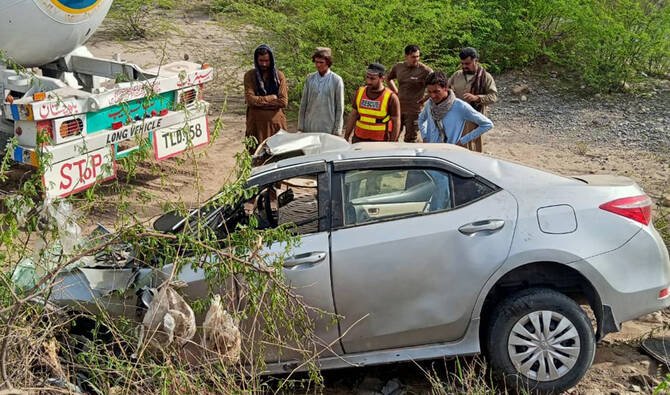
The Akarpo car accident emerged as a deeply troubling incident that quickly drew public interest due to its unexpected nature and serious consequences. Road accidents occur daily across the world, yet certain cases resonate more strongly because of the individuals involved, the circumstances surrounding the crash, or the broader implications for road safety. The Akarpo car accident falls into this category, sparking discussions not only about accountability but also about prevention, infrastructure, and responsible driving.
Beyond the immediate shock, this accident prompted widespread conversations across news platforms and social media channels. People wanted to understand what happened, how it happened, and what could be learned to prevent similar tragedies. The incident became more than a single collision—it became a reference point for discussions about driver awareness, emergency response efficiency, and the human cost of road accidents.
This article explores the Akarpo car accident in depth, examining every critical aspect from the background and timeline to legal implications and long-term lessons. By breaking down the incident comprehensively, the goal is to provide clarity, context, and meaningful insights for readers seeking accurate and responsible information.
Background Information on Akarpo
Understanding the context of the Akarpo car accident requires familiarity with Akarpo as an individual or identity tied to the incident. Whether Akarpo is a private citizen or a publicly recognized figure, the accident gained traction due to the sudden disruption it caused and the ripple effects that followed. Background details help frame the incident within a human narrative rather than reducing it to statistics or speculation.
Prior to the accident, Akarpo was engaged in everyday routines that reflected a normal life trajectory. There were no widely known indicators that such a traumatic event was imminent. This sense of normalcy is one of the most sobering aspects of car accidents—how quickly an ordinary day can turn into a life-altering moment. The absence of warning underscores the importance of constant vigilance on the road.
The lead-up to the accident also highlights broader themes such as commuting patterns, road familiarity, and habitual driving behavior. Many drivers underestimate risks on routes they travel daily, which can contribute to lapses in attention. Understanding Akarpo’s background and circumstances helps illustrate how easily accidents can happen, even to cautious or experienced drivers.
Timeline of the Akarpo Car Accident
Establishing a clear timeline of the Akarpo car accident is essential for understanding how events unfolded and where critical moments occurred. The accident took place on a specific date and time, factors that often influence traffic density, visibility, and driver alertness. Whether it occurred during rush hour or late at night, timing played a significant role in shaping the circumstances.
Location is another vital component of the timeline. The stretch of road where the accident happened may have had unique characteristics such as sharp curves, limited lighting, or high traffic volume. These environmental elements often interact with human decision-making, sometimes amplifying the risk of collision. Knowing where the accident occurred helps authorities and the public assess whether the area poses ongoing safety concerns.
From the moments leading up to the crash to the arrival of emergency responders, each phase of the timeline reveals important insights. Witness accounts, emergency call logs, and preliminary reports collectively form a chronological narrative. This structured timeline not only aids investigations but also provides transparency, helping the public understand the sequence of events without relying on rumors or incomplete information.
Immediate Moments Before the Collision
The moments immediately preceding the Akarpo car accident are critical for understanding causation. Traffic conditions at the time may have included congestion, sudden stops, or unexpected maneuvers by other drivers. These factors often force split-second decisions that can dramatically alter outcomes. Even minor misjudgments can escalate into serious collisions under the wrong conditions.
Eyewitness accounts play a significant role in reconstructing these moments. Drivers, pedestrians, or nearby residents may have noticed unusual behavior such as speeding, abrupt lane changes, or distracted driving. While eyewitness testimony can vary in accuracy, it provides valuable perspectives that supplement physical evidence gathered at the scene.
In some cases, technology such as dashcams or traffic surveillance systems captures crucial details. Video evidence can clarify uncertainties by showing exact movements and timing. When available, such footage becomes instrumental in determining responsibility and understanding how quickly the situation deteriorated. These immediate pre-collision moments often hold the key to answering the most pressing question: why did the accident happen?
Details of the Collision
The collision itself marks the most devastating moment of the Akarpo car accident. The angle of impact, speed of the vehicles, and force of the collision all contribute to the severity of injuries and damage. High-speed impacts tend to cause more extensive harm, but even lower-speed crashes can be deadly depending on vehicle positioning and safety features.
Vehicle damage assessments provide insight into the mechanics of the crash. Crumpled frames, shattered glass, and deployed airbags tell a story about energy transfer and protective system performance. Investigators analyze these details to determine whether vehicles behaved as expected during impact or if anomalies occurred.
The physical aftermath of the collision often leaves lasting impressions on witnesses and responders. Debris scattered across the roadway, immobilized vehicles, and injured occupants create a chaotic and emotionally charged environment. These details emphasize the violent nature of car accidents and reinforce the importance of preventive measures to avoid reaching such catastrophic moments.
Emergency Response and Rescue Efforts
Emergency response plays a crucial role in determining survival and recovery outcomes after a car accident. In the Akarpo car accident, the speed and coordination of first responders were vital. Emergency services typically include police, paramedics, and fire crews, each with specific responsibilities at the scene.
Paramedics focus on stabilizing victims, addressing life-threatening injuries, and preparing individuals for transport to medical facilities. Fire crews may be required to extract occupants from damaged vehicles using specialized equipment. The efficiency of these actions can significantly reduce the risk of complications or fatalities.
Law enforcement officers manage traffic control, secure the scene, and begin preliminary investigations. Their presence ensures safety for responders and other motorists while preserving evidence. The collective effort of emergency services highlights the importance of well-trained response teams and adequate resources, especially in high-risk traffic areas.
Injuries and Casualties
The human cost of the Akarpo car accident is measured most painfully through injuries and casualties. Victims may suffer a wide range of physical trauma, including fractures, internal injuries, head trauma, or spinal damage. The severity of these injuries often determines long-term health outcomes and quality of life.
In addition to physical harm, psychological injuries are common but less visible. Survivors may experience post-traumatic stress disorder, anxiety, or depression following the accident. These emotional wounds can persist long after physical injuries heal, affecting relationships, work performance, and overall well-being.
For families and loved ones, the impact extends beyond the injured individuals. Caregiving responsibilities, financial strain, and emotional distress create long-lasting challenges. Recognizing the full scope of injuries underscores why road safety is not merely a legal issue but a profound public health concern.
Law Enforcement Investigation
Following the Akarpo car accident, law enforcement initiated a detailed investigation to determine causation and responsibility. Police reports typically include diagrams, measurements, witness statements, and preliminary conclusions based on available evidence. These reports form the foundation for legal and insurance processes.
Investigators also assess potential traffic law violations such as speeding, reckless driving, or failure to yield. In some cases, toxicology tests are conducted to rule out impairment due to alcohol, drugs, or medication. These procedures ensure that conclusions are based on facts rather than assumptions.
The investigation phase can take weeks or months, depending on complexity. Transparency during this process is essential to maintain public trust and ensure fairness for all parties involved. A thorough investigation not only resolves individual cases but also identifies systemic issues that may require policy or infrastructure changes.
Role of Road Infrastructure
Road infrastructure often plays an underappreciated role in car accidents. In the case of the Akarpo car accident, factors such as road design, lighting, signage, and visibility may have contributed to the incident. Poorly maintained or inadequately designed roads increase the likelihood of driver error.
Intersections, curves, and merging lanes are common accident hotspots. If the accident occurred in such an area, it raises questions about whether infrastructure improvements could reduce future risks. Even minor enhancements like clearer signage or better lighting can significantly improve safety.
Examining accident history in the same location provides additional context. If multiple accidents have occurred in the area, it suggests a systemic problem rather than isolated incidents. Infrastructure analysis is crucial for developing long-term solutions that protect all road users.
Vehicle Safety and Mechanical Factors
Vehicle condition and safety features are critical determinants of accident outcomes. In the Akarpo car accident, investigators likely examined maintenance records, brake performance, tire condition, and steering systems. Mechanical failures, though less common, can have catastrophic consequences.
Modern vehicles are equipped with advanced safety features such as airbags, anti-lock braking systems, and electronic stability control. Evaluating whether these systems functioned correctly provides insight into occupant protection and injury severity. Properly functioning safety features often mean the difference between life and death.
Regular maintenance is essential for ensuring vehicle reliability. Worn tires or faulty brakes can compromise driver control, especially in emergency situations. This aspect of the accident highlights the shared responsibility of drivers to maintain their vehicles and manufacturers to uphold safety standards.
Legal Implications of the Akarpo Car Accident
Legal consequences often follow serious car accidents, and the Akarpo car accident is no exception. Determining fault is a complex process involving evidence analysis, expert testimony, and legal interpretation. Liability may rest with one driver, multiple parties, or even external entities such as municipalities.
Civil lawsuits may be filed to seek compensation for medical expenses, lost income, and emotional suffering. These legal actions aim to provide financial relief to victims while holding responsible parties accountable. In some cases, settlements are reached outside of court to expedite resolution.
If criminal negligence is suspected, charges may be pursued by prosecutors. These cases carry more severe consequences, including fines or imprisonment. Legal outcomes serve both corrective and deterrent functions, reinforcing the importance of responsible driving behavior.
Insurance and Financial Consequences
Insurance plays a pivotal role in managing the financial aftermath of car accidents. Following the Akarpo car accident, insurance companies would assess claims related to vehicle damage, medical costs, and liability coverage. This process can be lengthy and stressful for those involved.
Medical expenses often represent the most significant financial burden. Hospital stays, surgeries, rehabilitation, and ongoing therapy can accumulate rapidly. Insurance coverage may not fully address these costs, leaving victims to navigate complex compensation systems.
Property damage and loss of income further compound financial strain. Vehicles may be declared total losses, and injured individuals may be unable to work for extended periods. Understanding insurance processes and financial consequences is essential for mitigating long-term hardship.
Public and Media Reaction
The Akarpo car accident attracted significant media attention, shaping public perception of the incident. News outlets reported on developments as information became available, while social media amplified discussions and speculation. This rapid dissemination of information can be both informative and problematic.
Public interest often reflects broader concerns about road safety and accountability. However, misinformation can spread quickly, complicating investigations and affecting those involved. Responsible journalism is essential to balance transparency with accuracy.
Statements from family members or representatives help humanize the story, reminding audiences that real people are affected. Media coverage plays a powerful role in shaping narratives, emphasizing the need for ethical reporting standards.
Impact on the Akarpo Family and Community
The emotional toll of the Akarpo car accident extends far beyond the immediate victims. Family members often experience shock, grief, and uncertainty as they cope with injuries or loss. These emotional challenges can persist long after public attention fades.
Communities frequently respond with solidarity, organizing vigils, fundraisers, or awareness campaigns. Such actions provide emotional support and foster collective healing. They also highlight the shared vulnerability of all road users.
Long-term effects may include changes in family dynamics, financial stability, and mental health. Recognizing these impacts emphasizes the importance of comprehensive support systems for accident victims and their loved ones.
Road Safety Awareness and Advocacy
High-profile accidents often become catalysts for road safety advocacy. The Akarpo car accident sparked renewed discussions about responsible driving, infrastructure improvements, and policy enforcement. Advocacy groups may use such incidents to promote educational campaigns.
Public awareness initiatives aim to reduce risky behaviors such as speeding, distracted driving, and impaired driving. By highlighting real-world consequences, these campaigns seek to influence attitudes and behaviors.
Advocacy efforts also target policymakers, urging investments in safer roads and stricter enforcement of traffic laws. Sustainable improvements require collaboration between communities, authorities, and individuals.
Conclusion
The Akarpo car accident serves as a powerful reminder of the fragility of life and the shared responsibility of road safety. Through comprehensive examination, this article highlights key factors, impacts, and lessons. By learning from such incidents, individuals and institutions can work together to reduce risks and improve outcomes. Safety, accountability, and compassion must remain at the forefront of every conversation about road accidents.
Frequently Asked Questions (FAQs)
What caused the Akarpo car accident?
The exact cause depends on ongoing investigations, including driver behavior and road conditions.
Where did the accident occur?
The incident occurred on a public roadway, with location details addressed in official reports.
Were there serious injuries?
Yes, the accident resulted in significant injuries, highlighting the severity of the collision.
Is there an ongoing investigation?
Authorities continue to review evidence and provide updates as available.
How can similar accidents be prevented?
Preventive measures include responsible driving, infrastructure improvements, and public education.
Read More: Sturnballs